S
A
H
I
L
G
R
O
U
P

Sahil Group is a reputed real estate builder and developer in Indore, delivering residential, commercial, and township projects with speed, quality, and innovation.

403-404 Sahil infinite opp.agrawal public school scheme number 140, Indore

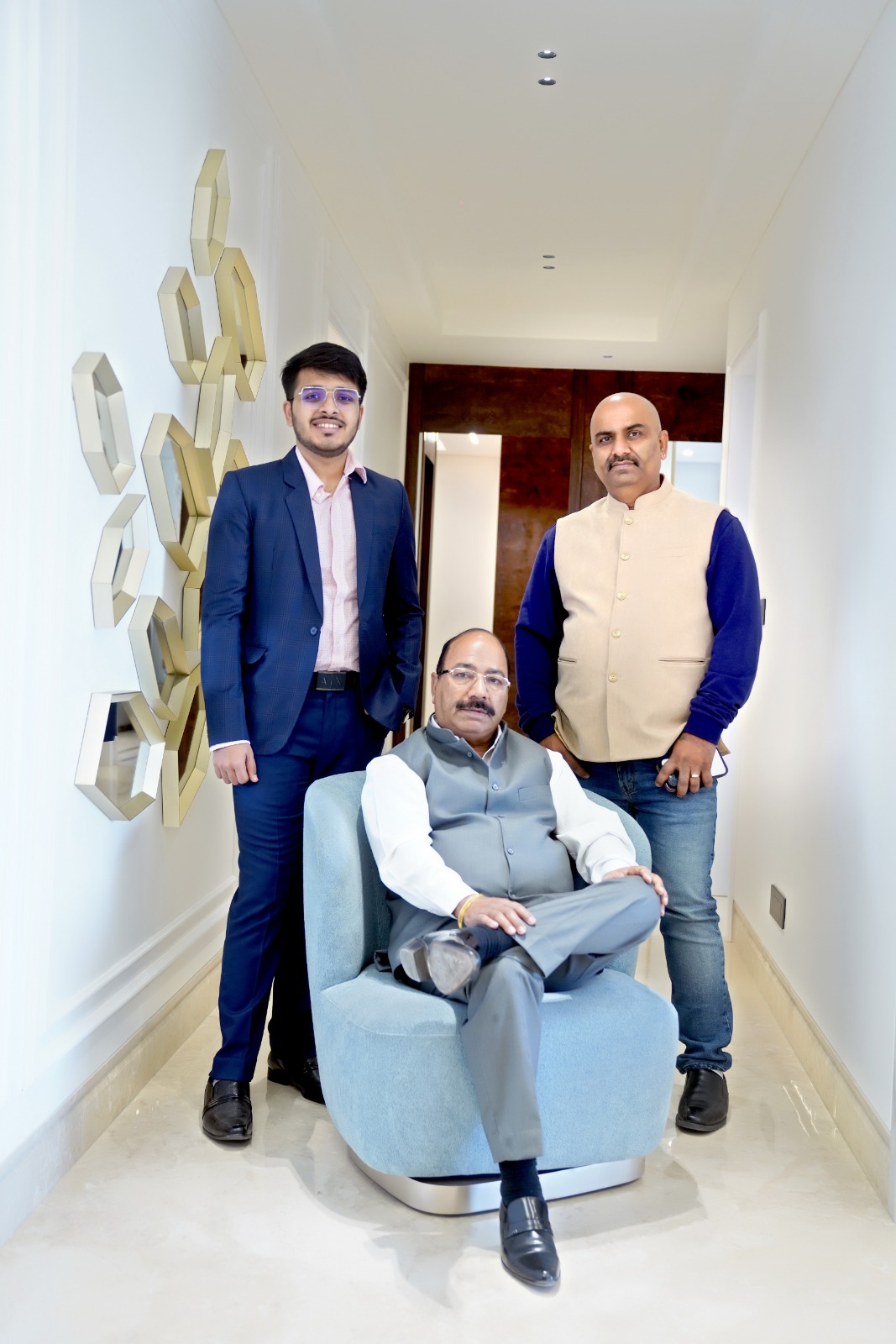
With decades of excellence in real estate, Sahil Group is known for delivering quality, trust, and unmatched living experiences. Our customer-first approach and modern infrastructure make us the preferred choice for thousands of families and NRIs alike.
All our properties are located in rapidly developing, well-connected areas with high potential for future growth.
We take pride in delivering projects on or before time, with no compromise on construction quality.
From documentation to delivery, we ensure transparency and honesty throughout the buying process.
We believe in building relationships, not just buildings. Your satisfaction is our top priority.
Every project by Sahil Group is built using top-grade materials, modern design, and robust engineering.
We assist NRIs in every step—from investment advisory to possession—ensuring peace of mind from miles away.
Personalized consultation to help NRIs choose the right investment in India.
Tie-ups with top banks for seamless NRI home financing options.
Stay updated with progress via live site updates, video calls, and virtual tours.
End-to-end legal assistance including POA, registration, and RERA compliance.
Secure and transparent transactions with escrow & digital documentation.
We handle possession, maintenance, and even finding tenants for your property.
Discover premium spaces crafted with precision, comfort, and style. Each property reflects Sahil Group’s commitment to quality living and long-term value.
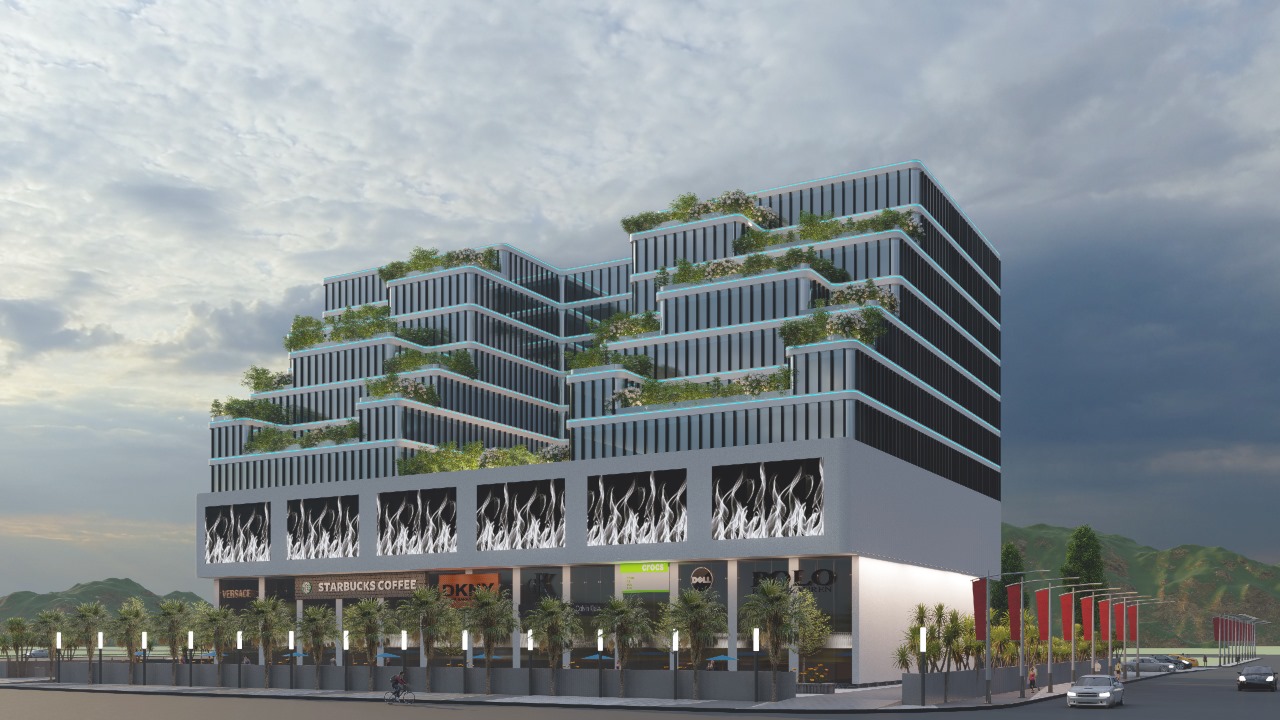
Super corridor IT Hub of Indore
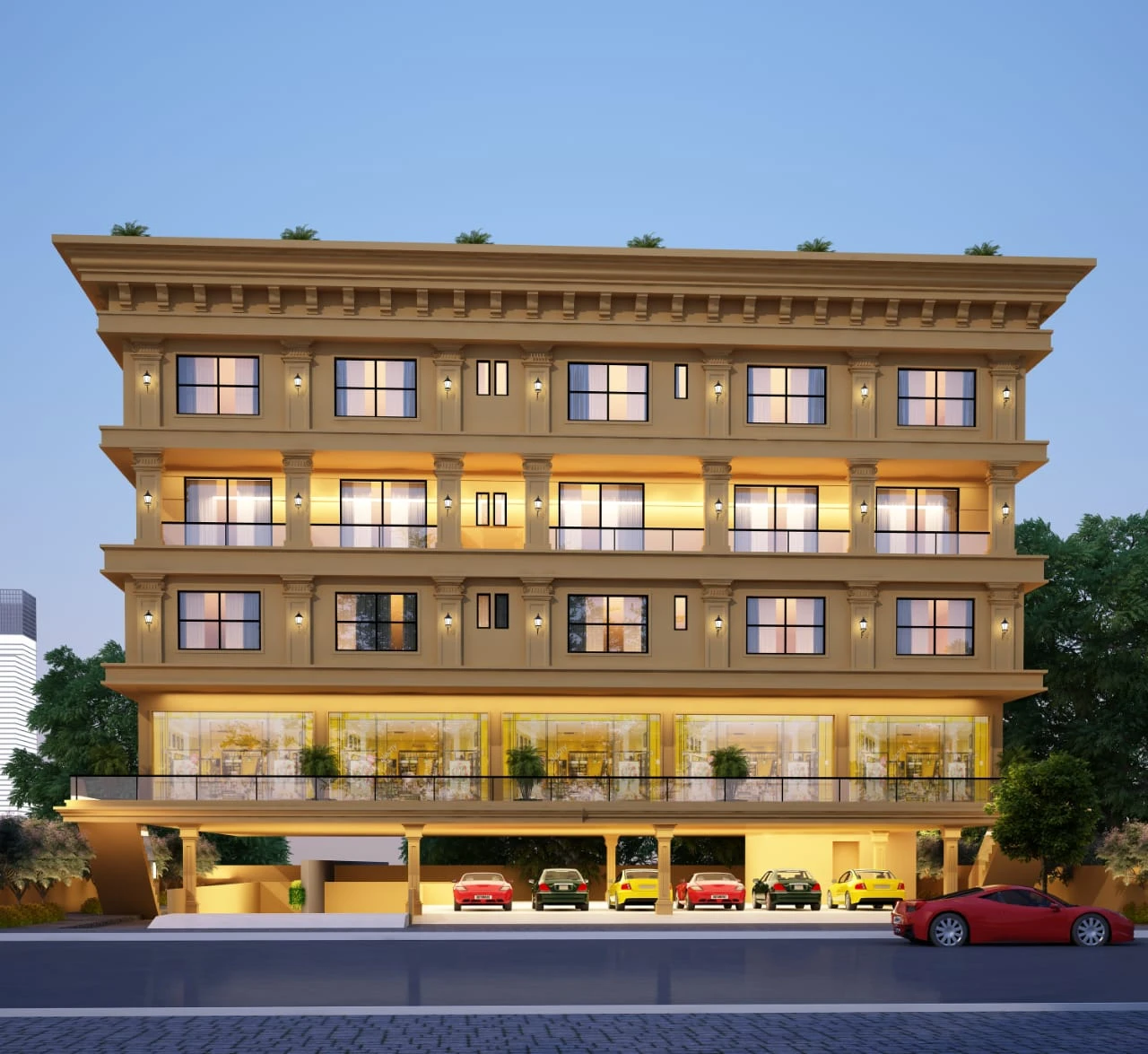
AB Road Near Satya Sai Square, Indore
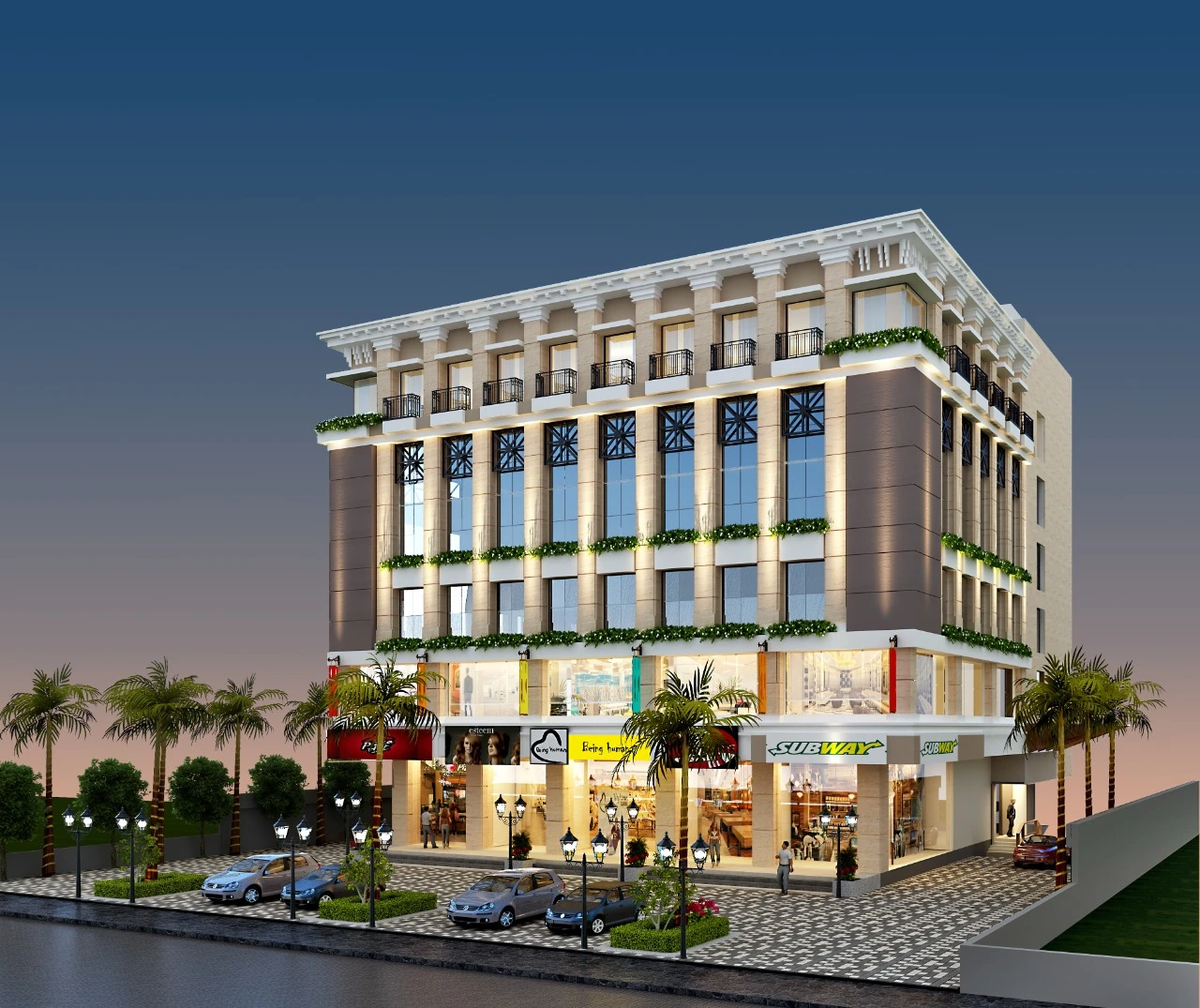
Scheme No. 140, Indore
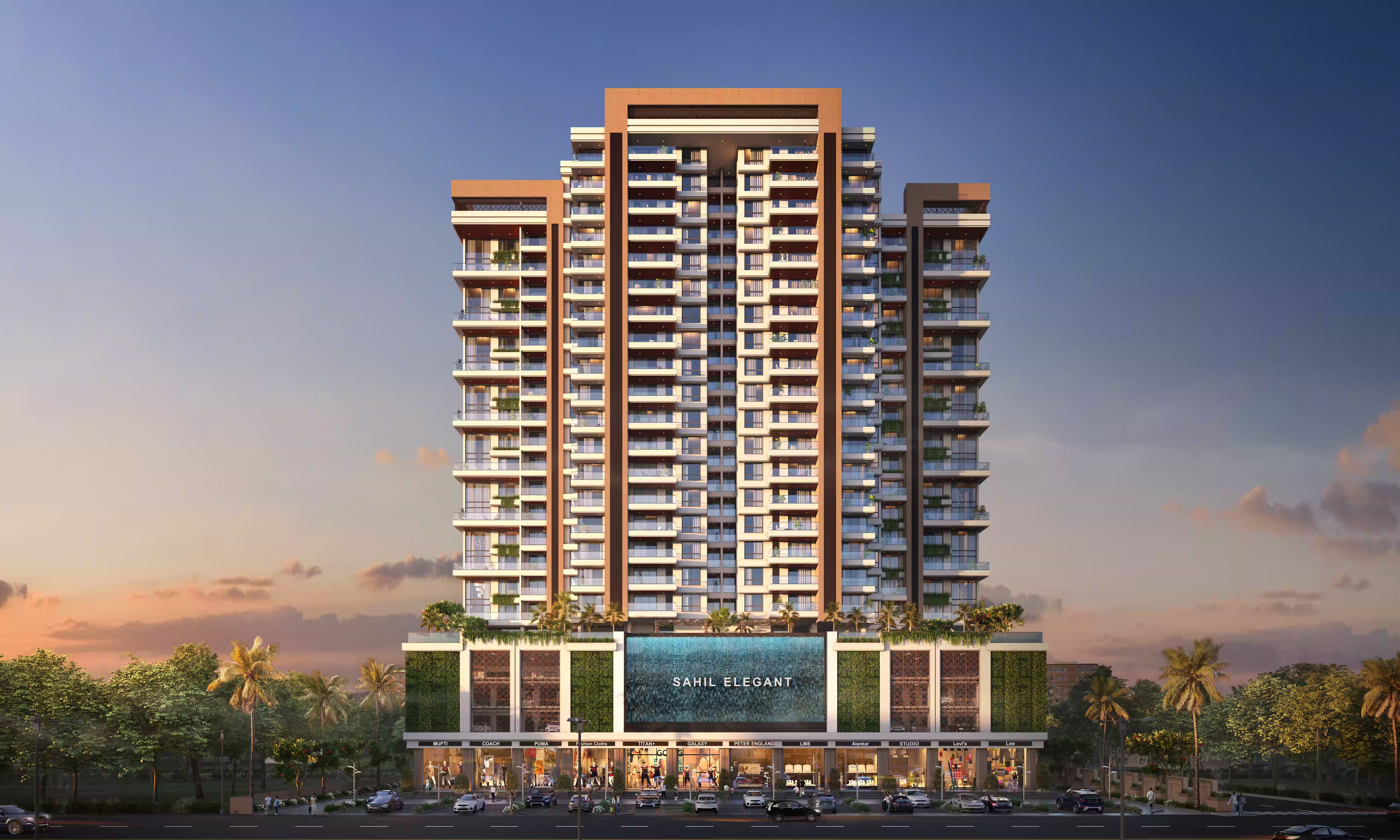
Scheme 134, Indore
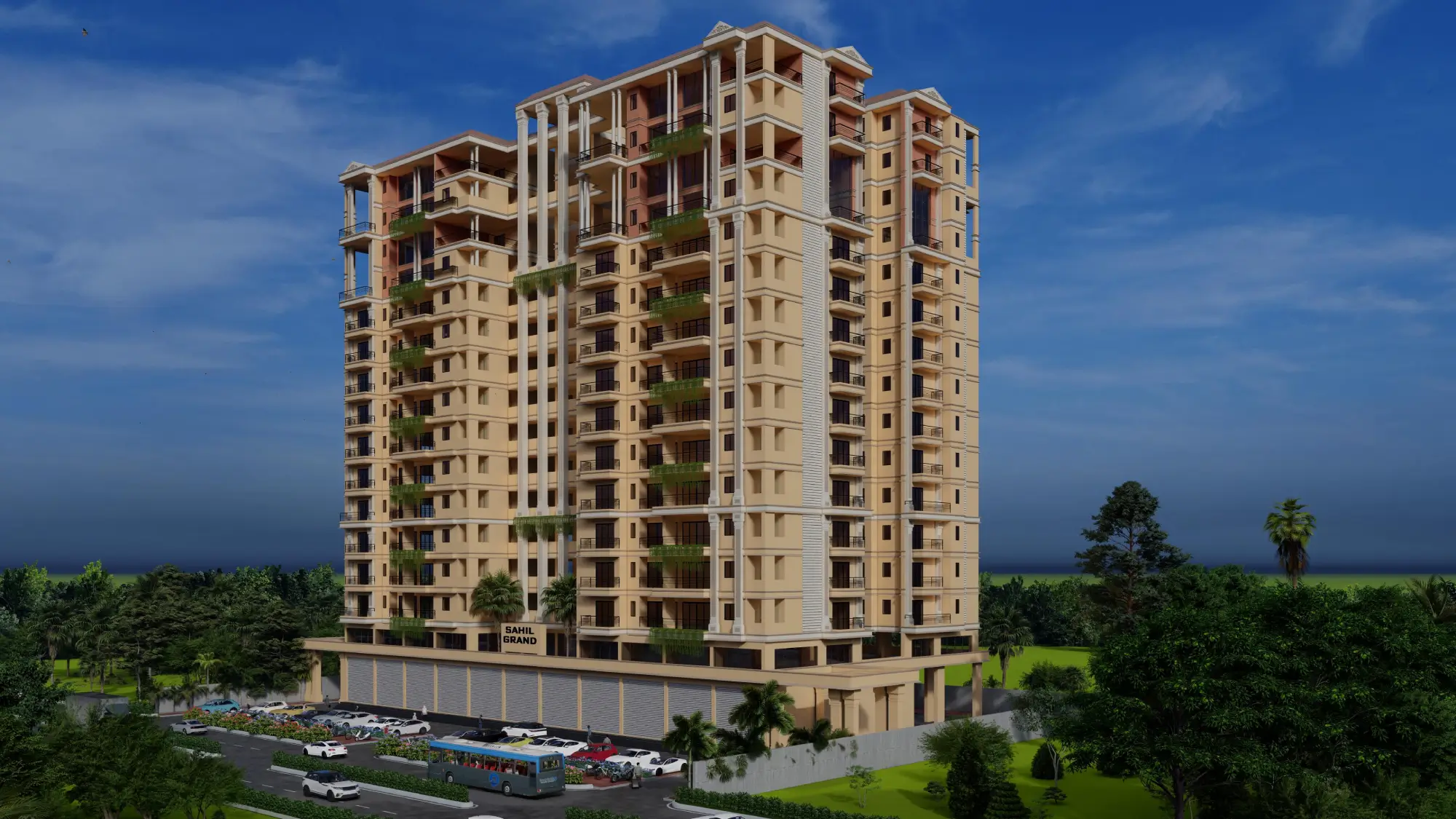
Scheme 134, Indore
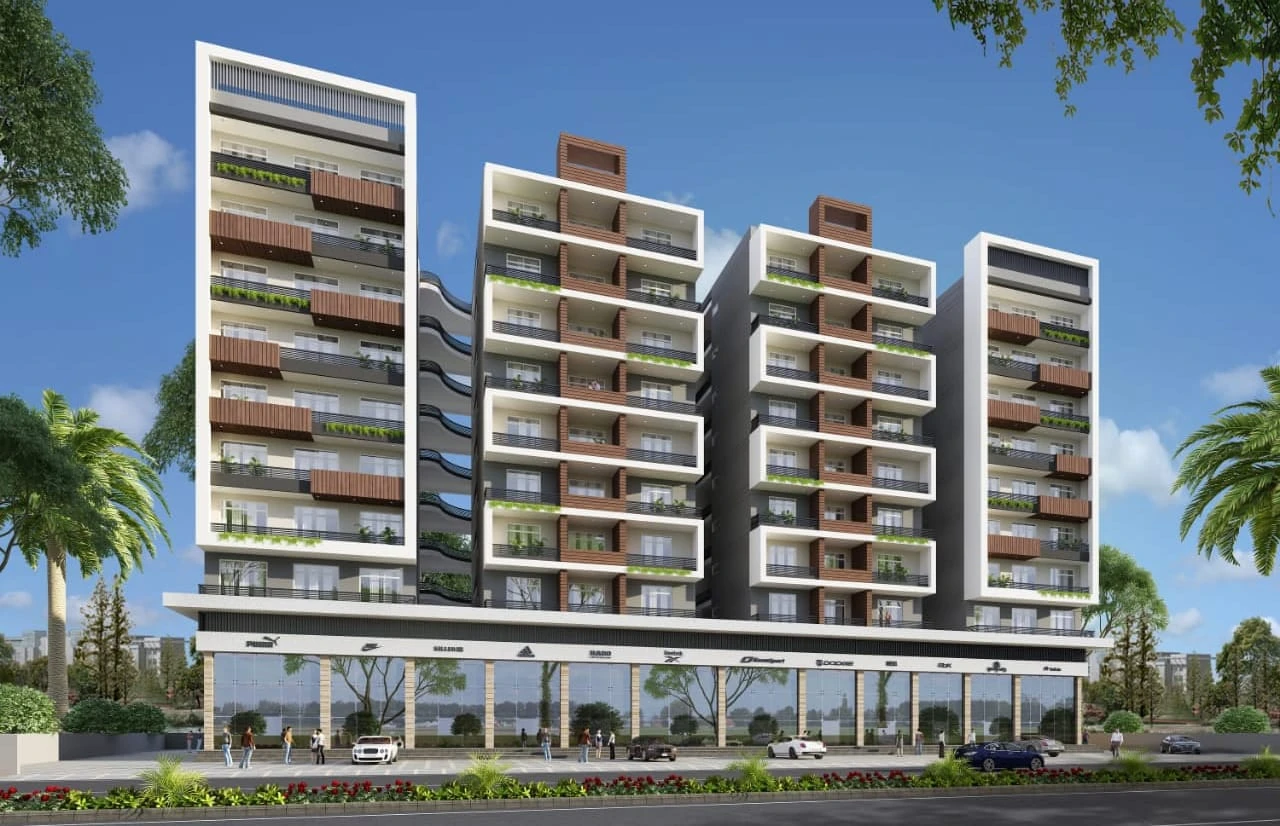
Scheme No. 140, Indore
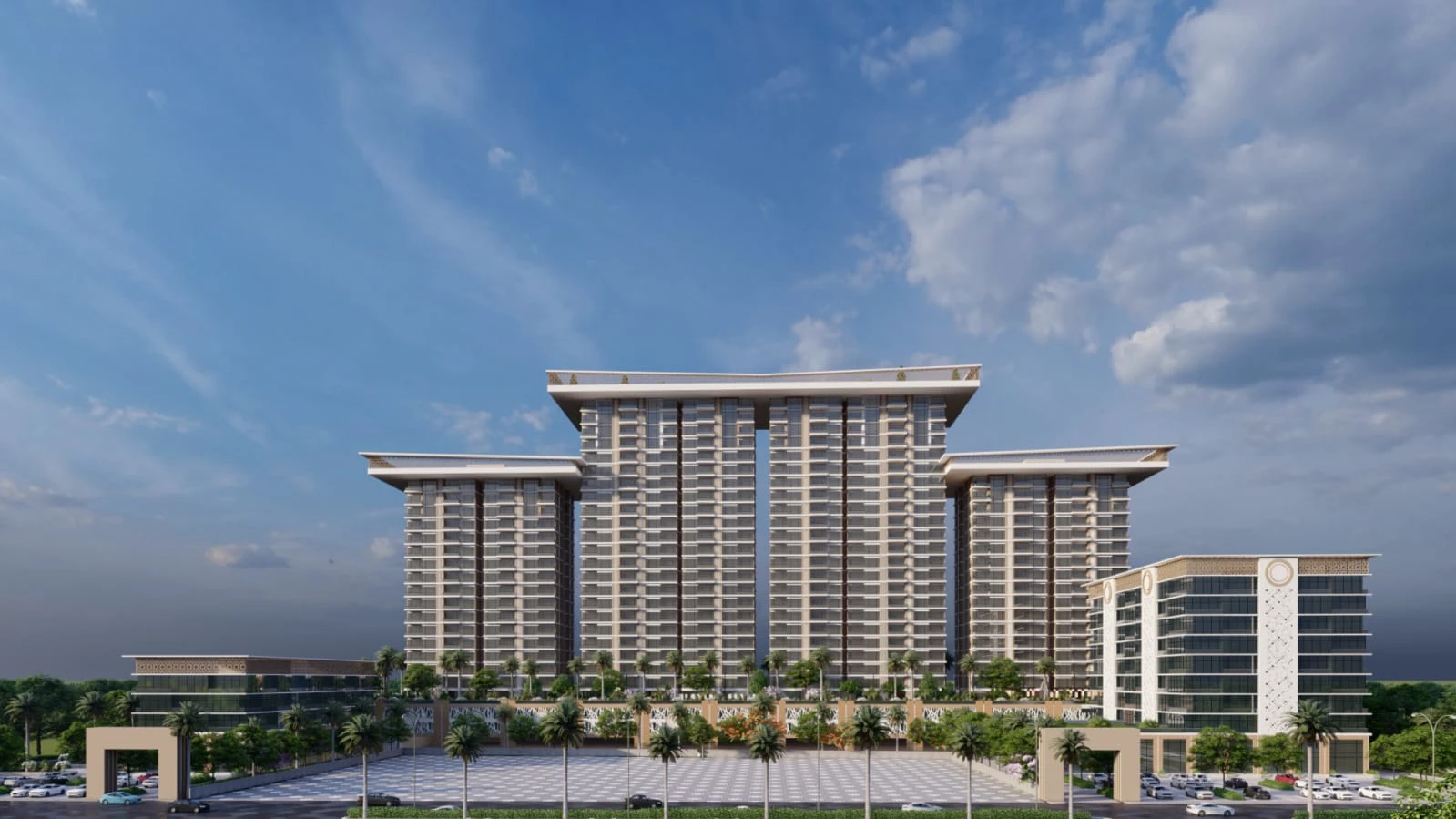
Opposite Sheraton Grand near Golden Leaves, Bypass MR 11 main road Indore
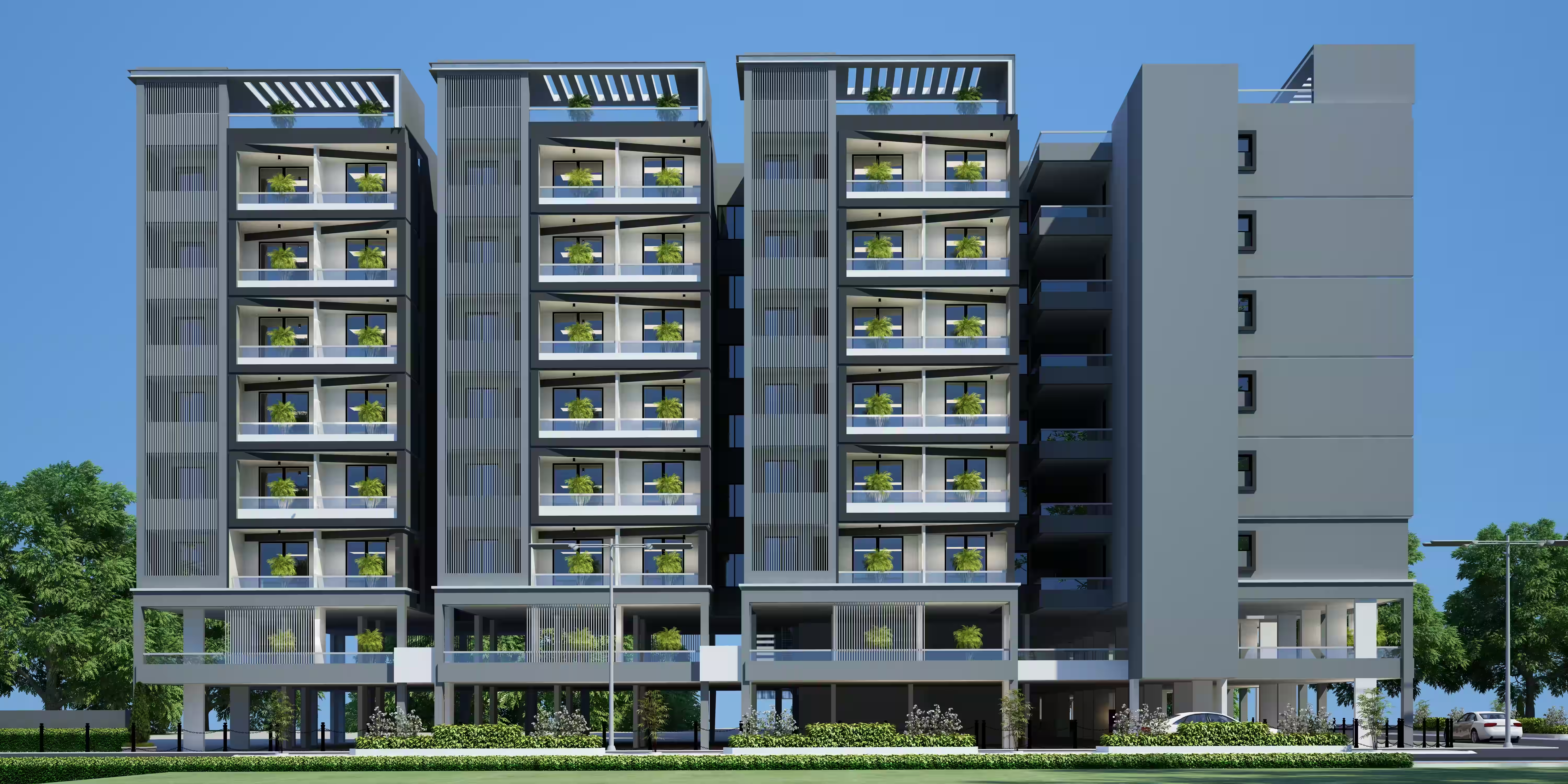
BRG Shangri-La, Talawali Chanda Lane
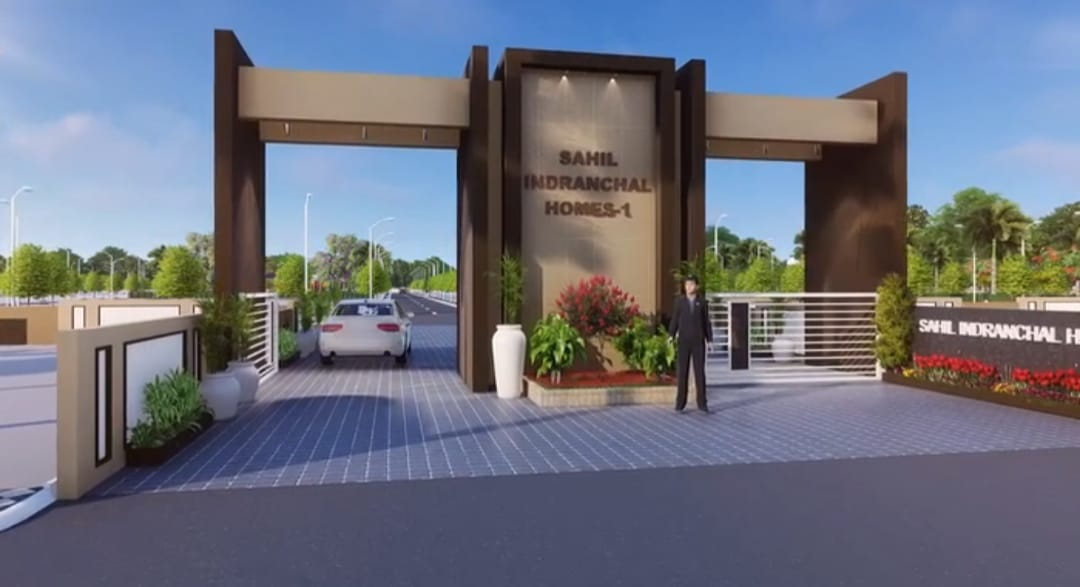
MR-12 Manglia Road, Indore
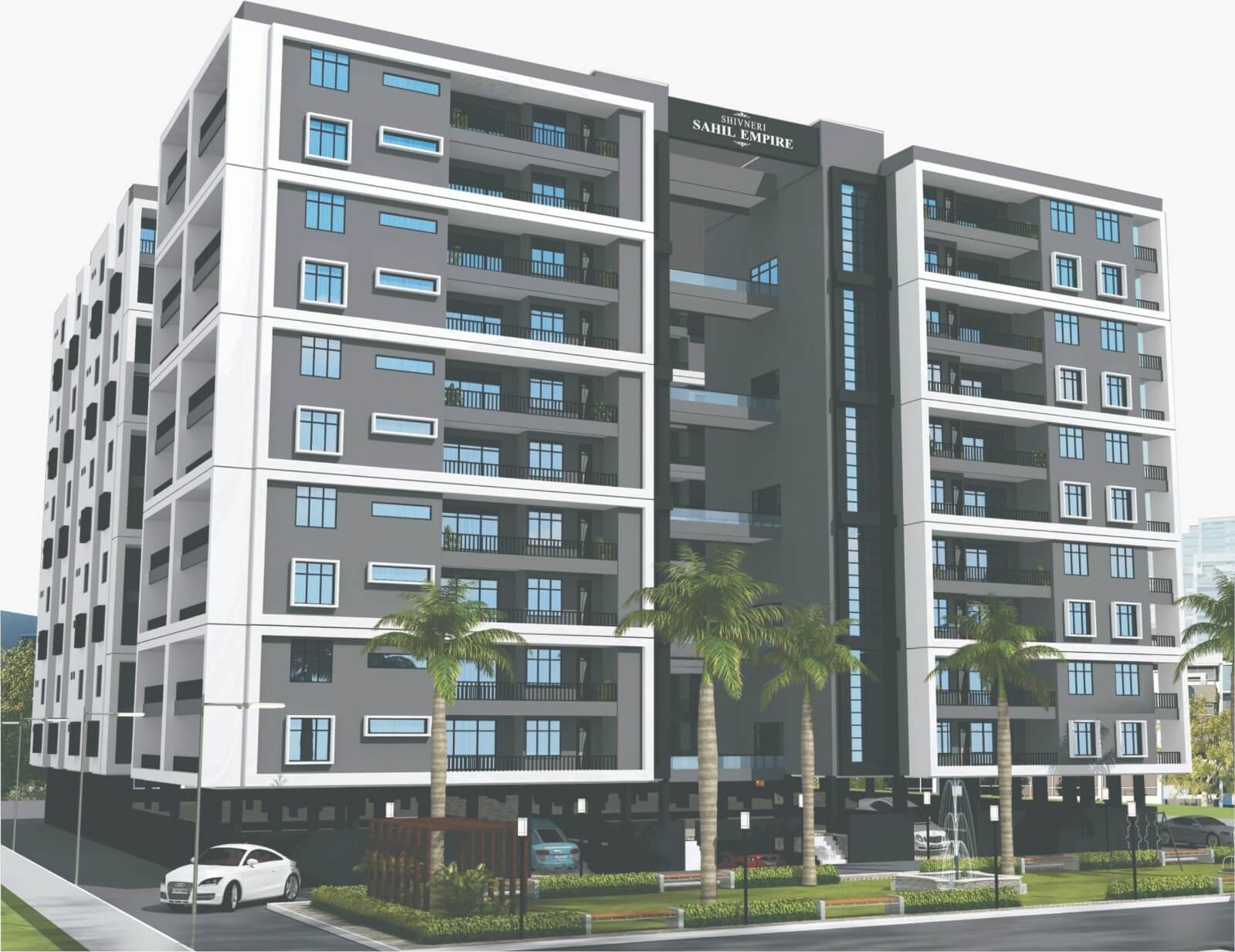
Scheme No. 140, Indore
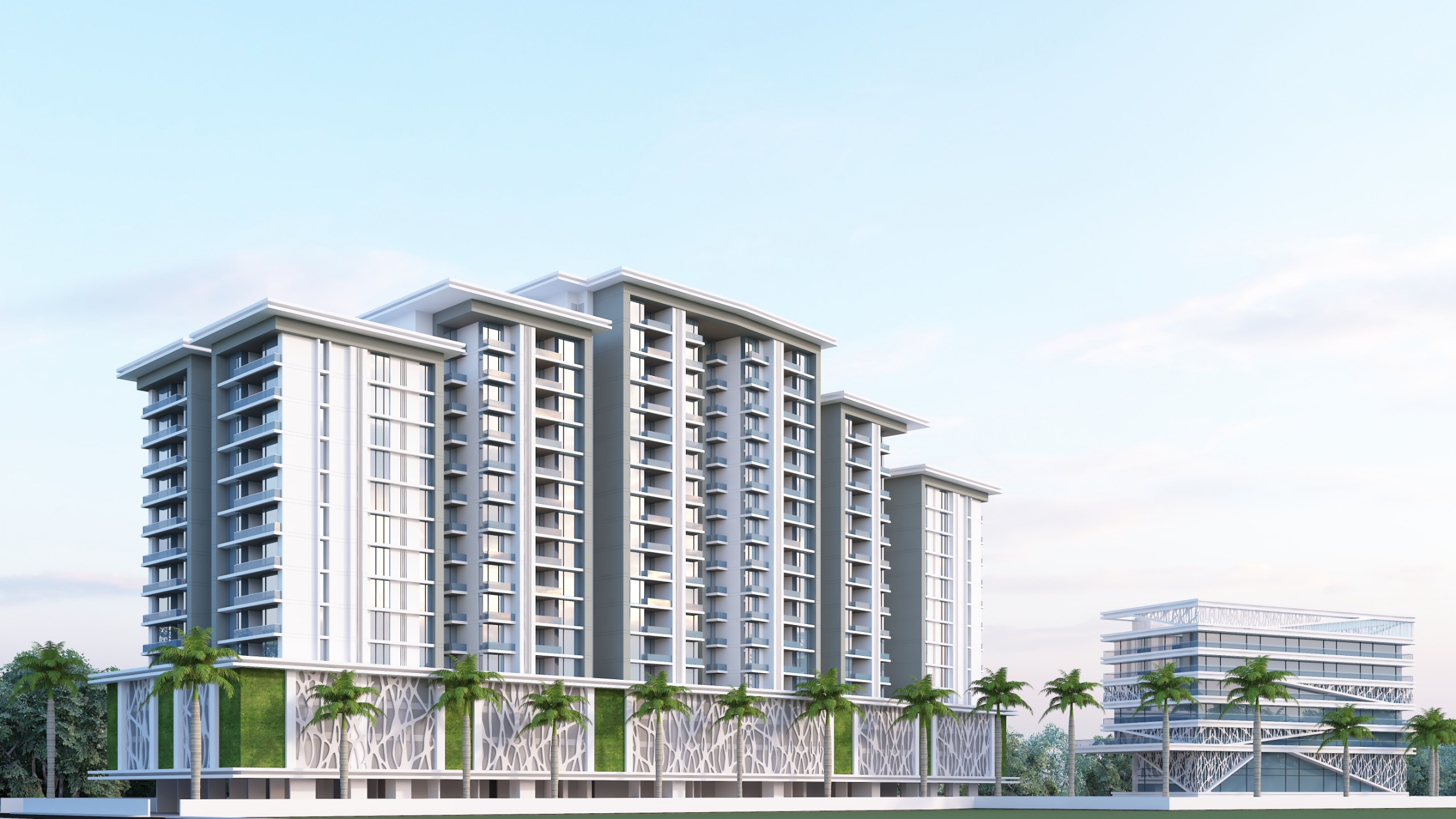
Indore, MP
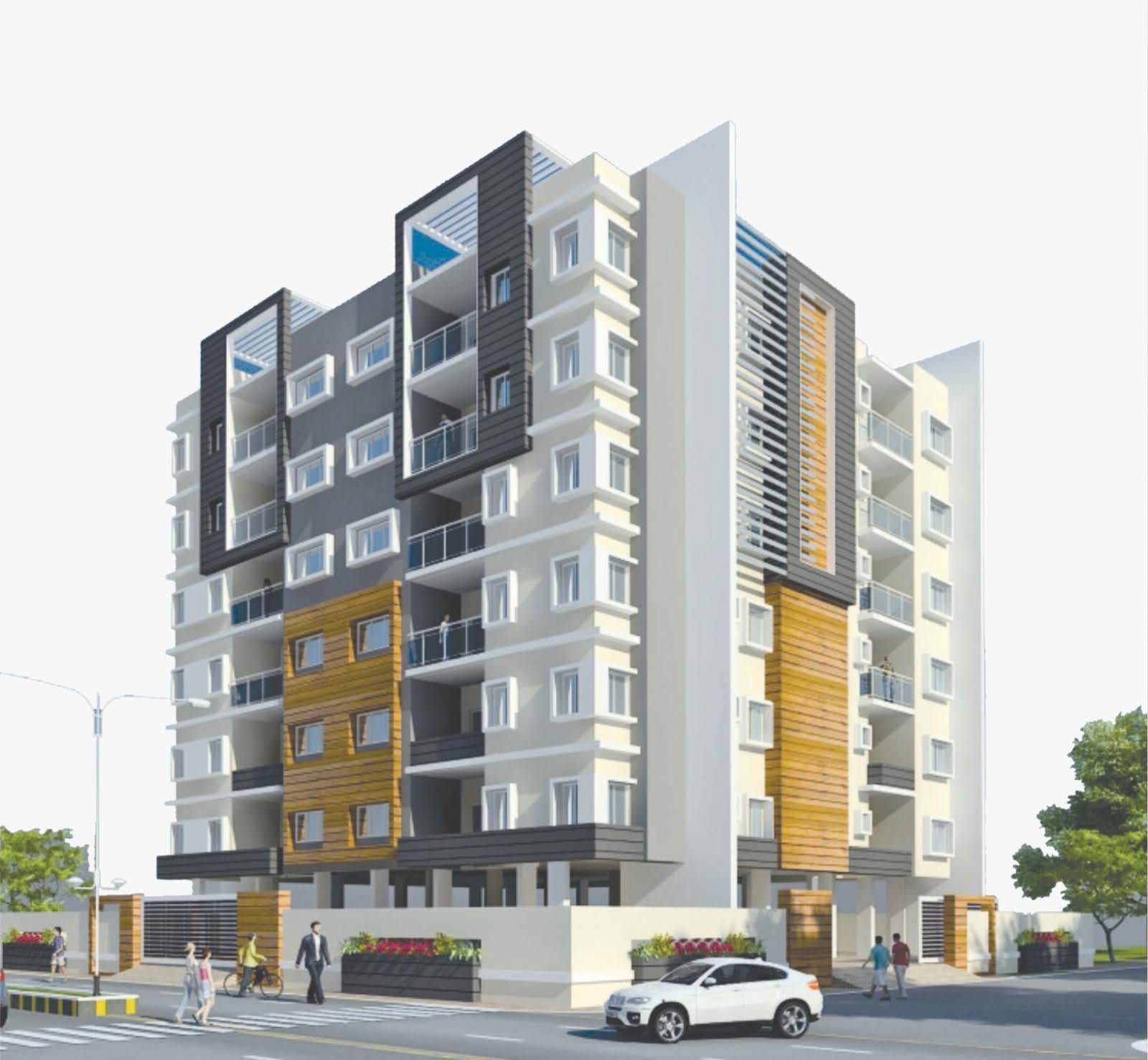
Indore, MP

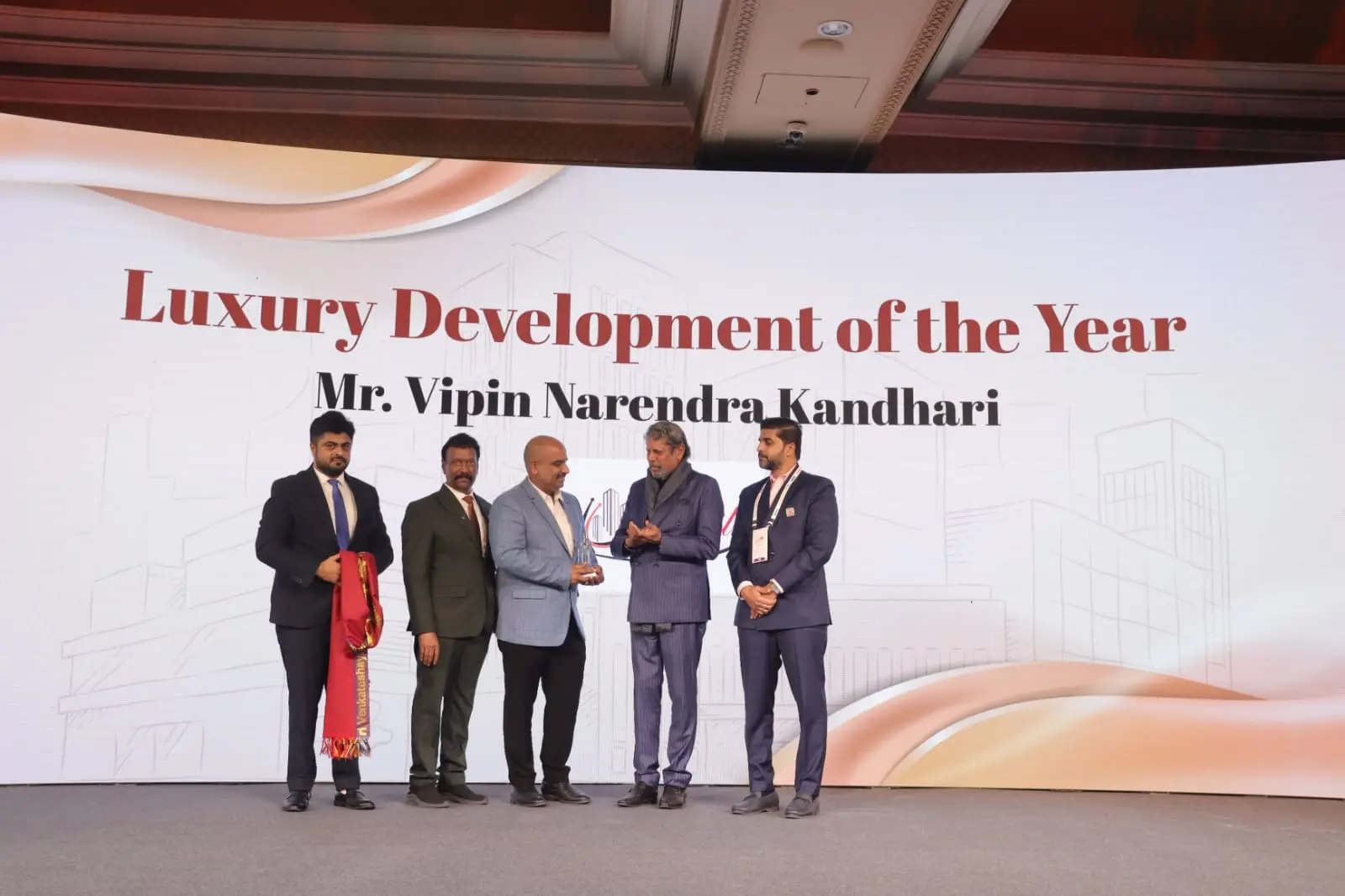
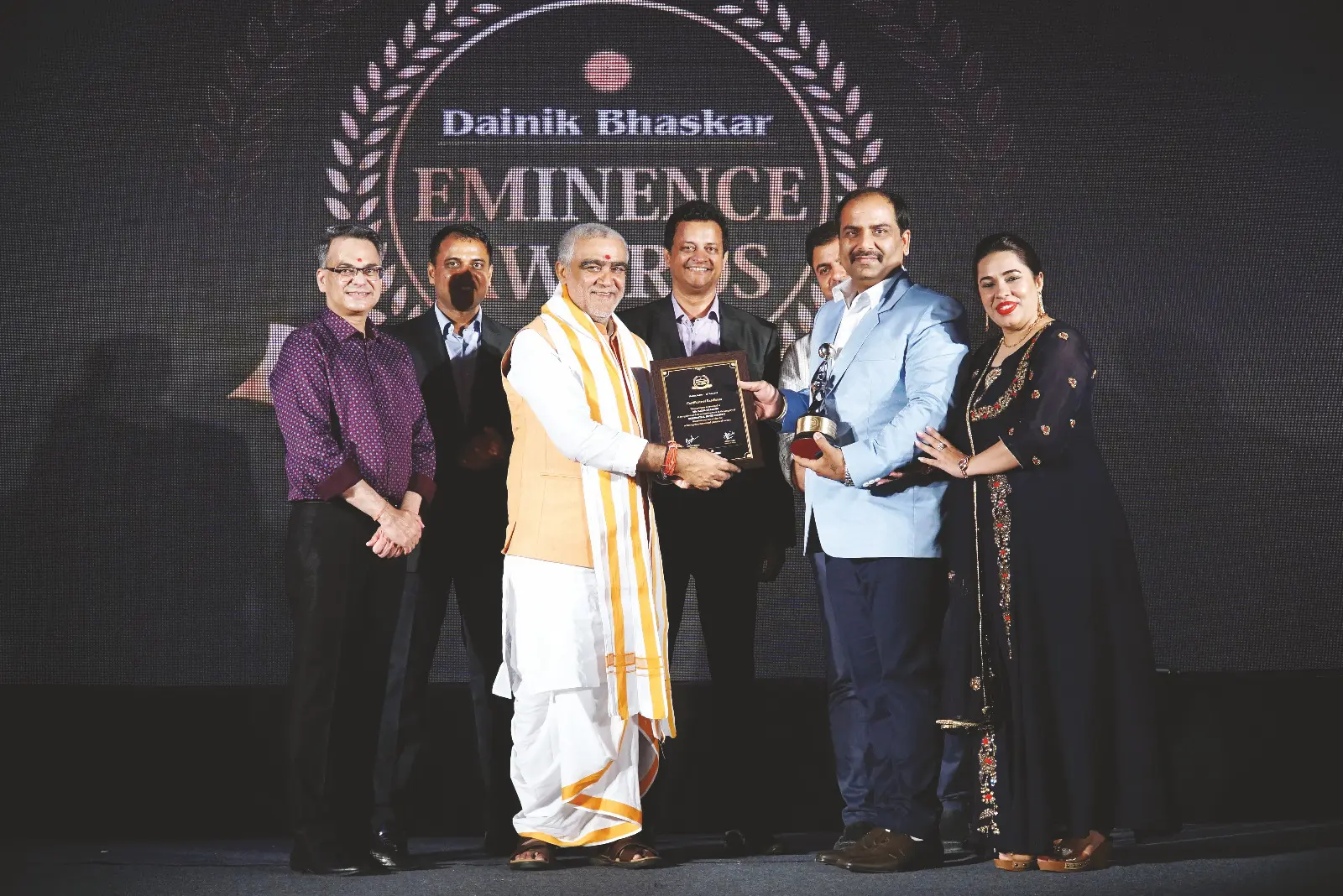
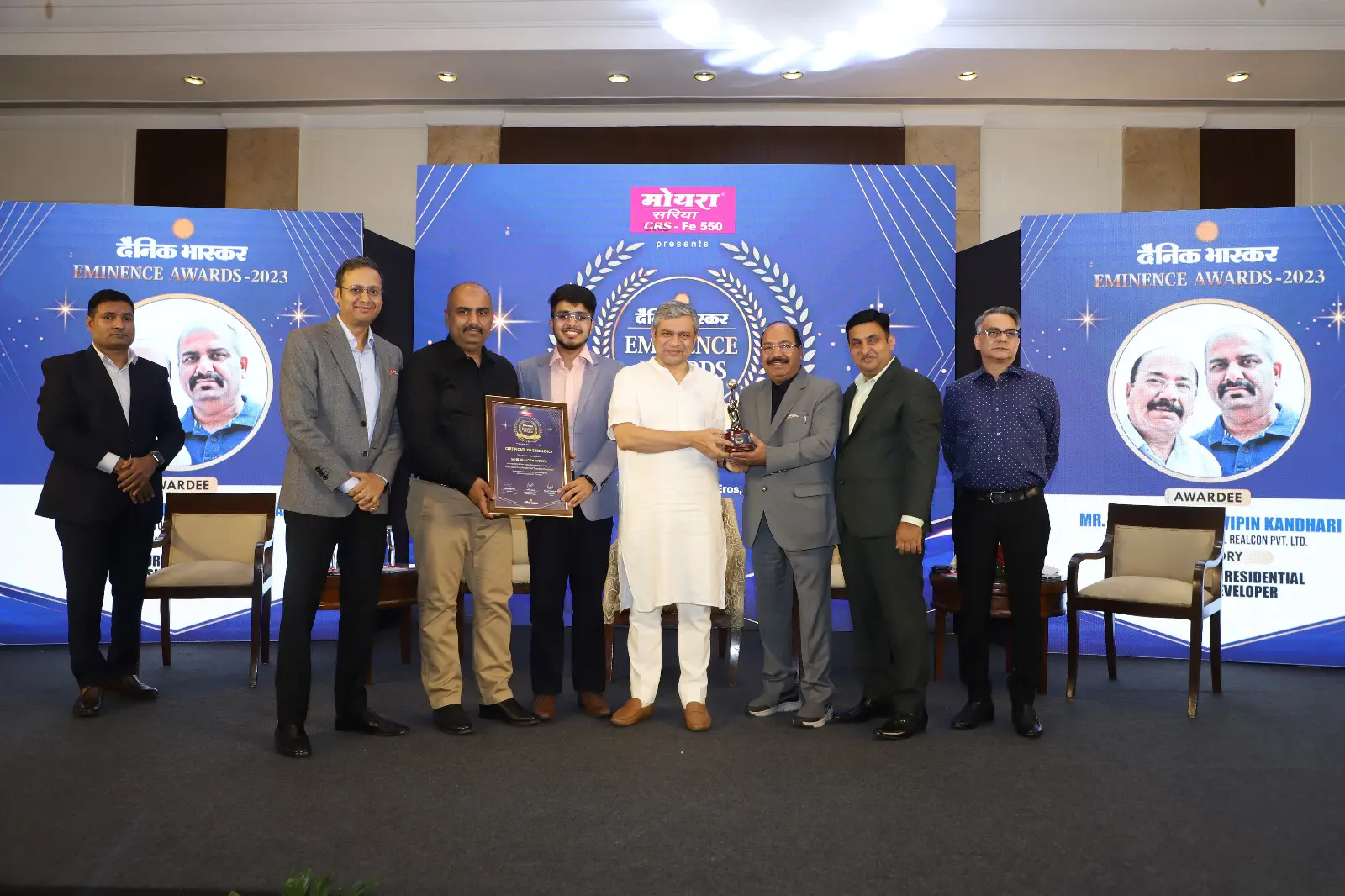
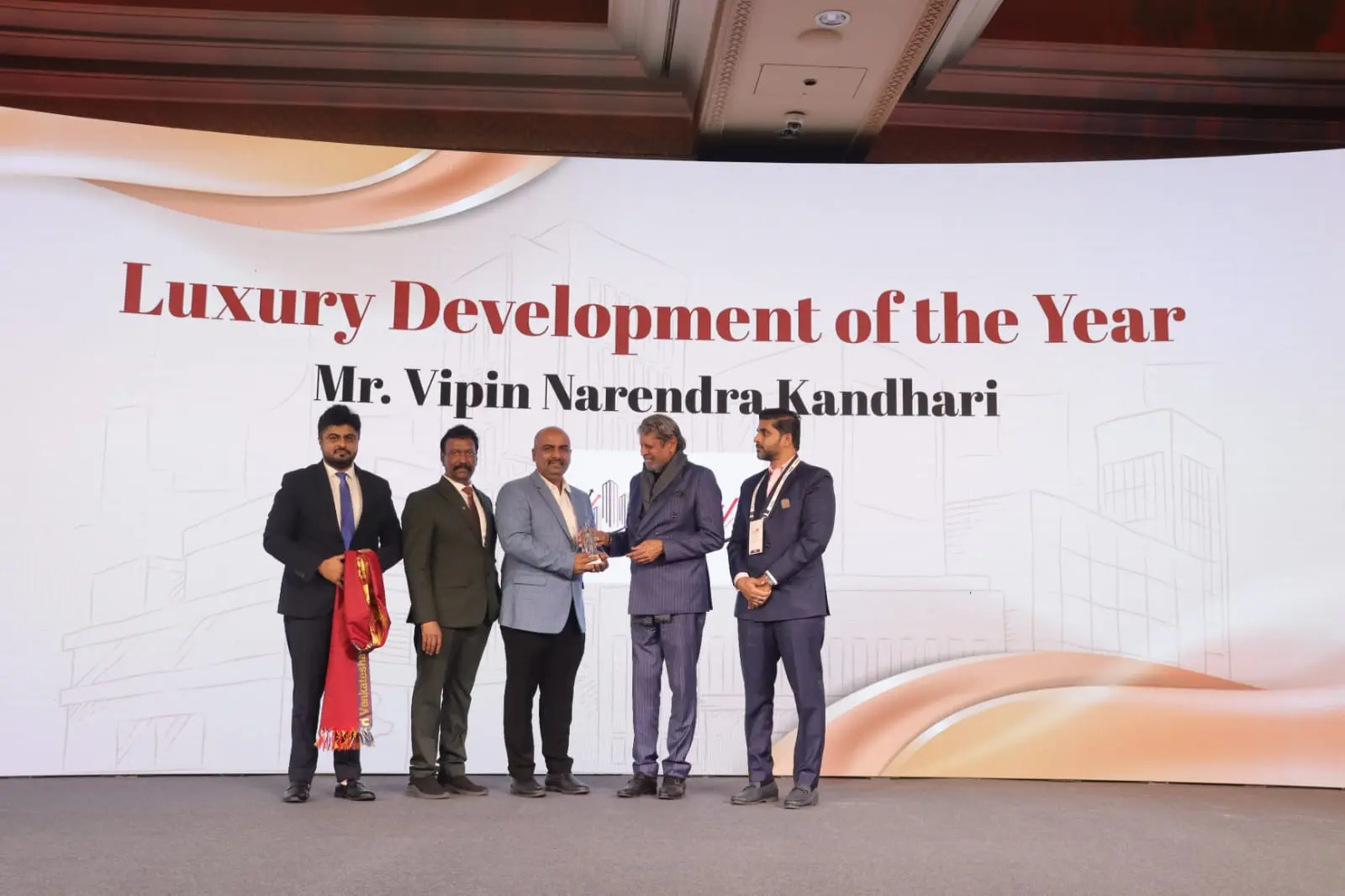
Eminence Award 2025

Asia awards 2025

Residential High Rise Project 2023
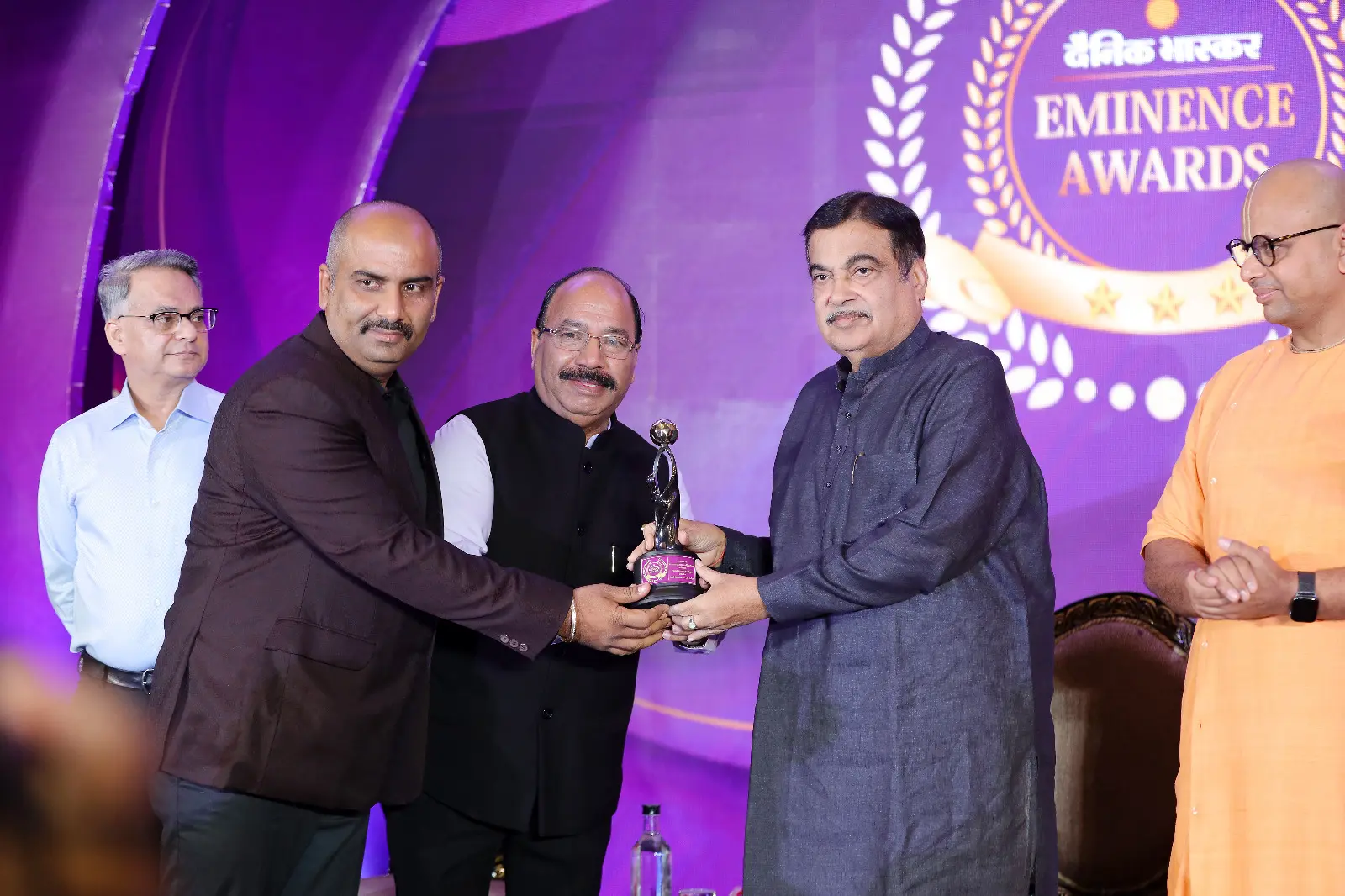
Eminence Award 2021
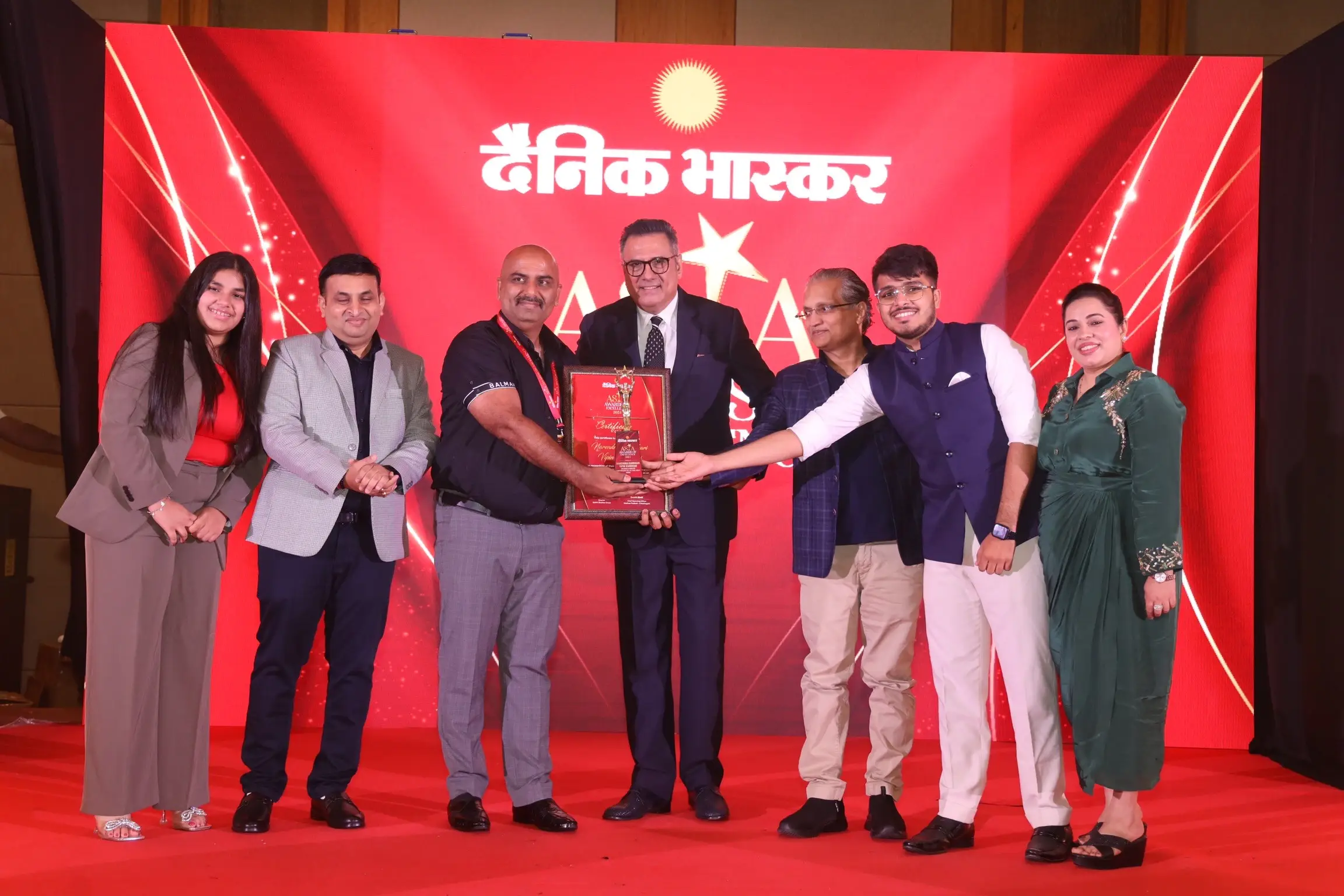
Singapore
At Sahil Group, we don’t just build properties—we build lifestyles. Discover the freedom of space, the connection to nature, and the comfort of modern living, all thoughtfully crafted for you.
Non-Resident Indian (NRI) is a citizen of India, who stays abroad for employment/carrying on business or vocation outside India or stays abroad under circumstances indicating an intention for an uncertain duration of stay abroad, is a non-resident. Non-resident foreign citizens of Indian Origin are treated at par with Non-Resident Indians (NRIs).
Person of Indian Origin (PIO) (not being a citizen of Pakistan or Bangladesh or Sri Lanka or Afghanistan or China or Iran or Nepal or Bhutan), who (a) at any time, held an Indian passport, or (b) who or either of whose father or whose grandfather was a citizen of India by virtue of the Constitution of India or the Citizenship Act, 1955 (57 of 1955).
(a) Any person of full age and capacity:
Under the general permission granted by RBI, the following categories can freely purchase immovable property in India:
(a) Non-Resident Indian (NRI)
(b) Person of Indian Origin
(PIO)
The general permission covers only residential and commercial property and not agricultural land/plantation/farm house. OCI can purchase immovable property except agricultural land/plantation/farmhouse.
No. General Permission is available to purchase only a residential/commercial property in India to a person resident outside India who is a citizen of India (NRI) and who is a Person of Indian Origin (PIO).
The purchase consideration should be met either out of inward remittances in foreign exchange through normal banking channels or out of funds from NRE / FCNR accounts maintained with banks in India. They are required to file a declaration in form IPI 7 with the Central Office of Reserve Bank at Indore within a period of 90 days from the date of purchase of immovable property or final payment of purchase consideration along with a certified copy of the document evidencing the transactions and bank certificate regarding the consideration paid.
Yes, Reserve Bank has granted general permission for sale of such property. However, whether the property is purchased by another foreign citizen of Indian Origin, funds towards the purchase consideration should either be remitted to India or paid out of balance in NRE / FCNR accounts.
With respect to residential properties purchased on or after 26th May 1993, Reserve Bank considers applications for repatriation of sale proceeds up to the consideration amount remitted in foreign exchange for the acquisition of the property for two such properties. The balance amount of sale proceeds if any or sale proceeds in respect of properties purchased prior to 26th May 1993 will have to be credited to the ordinary non-resident rupee account of the owner of the property.
Applications for necessary permission for remittance of sale proceeds should be made in form IPI 8 to the Central Office of Reserve Bank at Indore within 90 days of the sale of the property. Applications for repatriation of sale proceeds will be considered, provided the sale takes place after three years from the date of final purchase deed from the date of payment of final instalment of consideration amount, whichever is later.
Yes. Reserve Bank has granted general permission to a foreign citizen of Indian Origin to acquire or dispose of properties up to two houses by way of gift from or to a relative who may be an Indian Citizen or a person of Indian origin whether resident in India or not, subject to compliance with applicable tax laws.
Yes. Reserve Bank has granted general permission for letting out any immovable property in India. The rental income or proceeds of any investment of such income are eligible for repatriation.
There is no restriction on the number of residential or commercial properties an NRI can own in India. However, the law restricts NRIs from purchasing any kind of agricultural land/ plantation property/ farm house in India.
Yes, under the general permission granted by the Reserve Bank, property other than agricultural land/farm house/plantation property can be acquired by NRIs provided the purchase consideration is met either out of inward remittances in foreign exchange through normal banking channels or out of funds from the purchaser's NRE/FCNR accounts maintained with banks in India and a declaration is submitted to the Central Office of Reserve Bank in form IPI 7 within a period of 90 days from the date of purchase of the property/final payment of purchase consideration.
The mere acquisition of property does not attract income tax. However, any income accruing from the ownership of it, in the form of rent (if it is let out)/annual value of the house (if is not let out and it is not the only residential property owned by that person in India) and/or capital gains (short term or long term) arising on the sale of this house or part thereof is taxable in the hands of the owner.
Yes. Long-term and short-term capital gains are taxable in the hands of non-residents.
In case of sale of an immovable property, the Double Tax Avoidance Agreement (DTAA) with most countries state that capital gains will be taxed in the country where the immovable property is situated. Hence, if an NRI owns immovable property in India, then he/she will be subject to pay tax in India on the capital gains which arise on the sale of the property. Similarly, letting of immovable property in India would be taxed in India under most tax treaties.